Experienced Roofer for High-Grade Roofing Services
Appointing a qualified roofing professional constitutes a vital choice for property dwellers seeking quality roofing solutions. These practitioners not only ensure compliance with local construction guidelines but also provide access to superior materials. Their competence to recognize and resolve potential issues promptly can economize considerable resources and time. Recognizing the various roofing options available and the rewards can further enhance this initiative. What factors should property owners weigh when selecting the right professional for their needs?
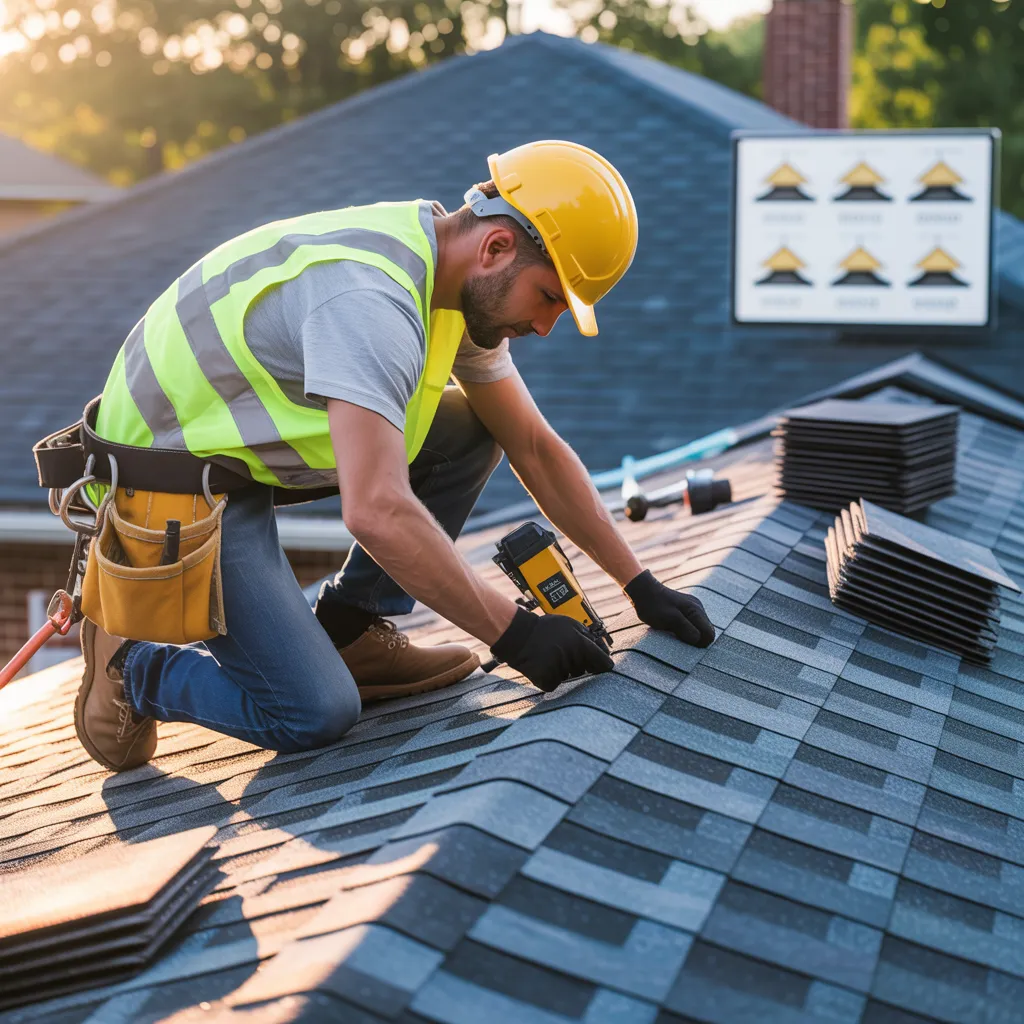
Why Employing a Experienced Roofer Makes Sense
When assessing a roof work, engaging a professional roofer guarantees both quality and well-being. Professional roofing experts have the required education and proficiency to handle various roof complications efficiently. Their experience enables them to identify potential issues before they escalate, providing extended durability. Moreover, they are versed in area construction guidelines and regulations, which lowers the risk of legal complications.
Furthermore, professional roofers have access to high-quality materials that may not be obtainable by the typical property owner, enhancing the overall effectiveness of the roofing system. They also offer guarantees that can deliver confidence and assurance, protecting the financial commitment made in the roof work. Significantly, safety is critical; skilled roof contractors are equipped with the proper equipment and protective equipment to complete their labor without causing harm. To summarize, hiring a professional roofer is a prudent decision for obtaining a dependable and safe roofing solution.
A Comprehensive Guide to Popular Roofing Materials and Their Advantages
A wide selection of roofing materials exist, each delivering distinct benefits suited to various requirements and preferences. Asphalt shingles rank among the most popular because of their low cost, ease of installation, and variety of colors. Metal roofing, celebrated for its longevity and resistance to extreme weather, also reflects heat, rendering it energy-efficient. Slate tiles deliver a timeless visual appeal and remarkable longevity, while clay tiles provide excellent insulation and are able to endure harsh climates.
For individuals looking for eco-friendly choices, rubber roofing is gaining traction; it replicates the look of pricier materials and is made from reclaimed materials. Wood shakes provide a organic, rustic look but demand additional upkeep. Finally, artificial roof options combine the finest qualities of traditional options, providing versatility and durability. Each option presents distinct advantages, making it essential for property owners to assess their preferences and speak with professionals when choosing the best roofing solution.
Common Roofing Challenges and Methods Professionals Employ to Fix Them
Typical roofing complications, such as water intrusion and liquid deterioration, can trigger considerable structural problems if not tackled promptly. Additionally, missing or damaged shingles compromise the roof's integrity and expose the home to further risks. Professionals execute various techniques to identify and resolve these matters, ensuring long-lasting protection and mental ease for homeowners.
Leaks and Water Damage
Leaks and water damage create substantial obstacles for homeowners, frequently resulting in expensive repairs and foundational problems. These troubles usually come from a wide range of sources, including degraded substances, incorrect assembly, or even extreme weather events. Water intrusion can undermine insulation, enable mold development, and reduce structural soundness. Experienced roof professionals leverage state-of-the-art approaches to discover and remedy leaks with efficiency. They perform in-depth assessments to identify problem areas, deploying tools such as moisture meters and infrared cameras. Once detected, they deploy specialized treatments, which may include sealing, flashing replacement, or, in severe cases, partial roof replacement. By handling water intrusion in a quick fashion, professionals support homeowners minimize damage, guaranteeing lasting assurance and peace of mind.
Lost or Damaged Shingles
Roofing issues often present through missing or damaged shingles, which can weaken a home's defensive layer. These problems leave vulnerable the foundational framework to elements, potentially leading to leaks and additional damage. Professionals commonly conduct thorough inspections to identify the severity of the problem. They might suggest replacing individual shingles or entire sections, based on the degree. Applying superior-grade materials, experienced roofers assure correct placement to prevent future issues. Additionally, they inspect the roof's general state to resolve any underlying problems, such as poor ventilation or structural weaknesses. Regular maintenance and prompt remedies are essential in preserving a roof's integrity, ultimately safeguarding the home from water damage and other environmental hazards.
Choosing the Best Roofing Option for Your Home
When deciding on the ideal roofing alternative for a home, it is vital to assess your specific roofing needs initially. Understanding the variety of roofing materials obtainable and their individual prices can affect the selection process greatly. Budget considerations also play a vital role in guaranteeing that the selected option meets both practical and visual requirements.
Evaluating Your Roof Needs
How can one decide on the best roofing solution for their home? The process of considering roofing needs starts with looking at the home’s architectural style and local climate. Homeowners need to reflect on factors such as energy efficiency, durability, and maintenance needs. A comprehensive inspection of the current roof can identify potential concerns that might influence the selection of materials. In addition, money considerations play an key role; acknowledging the long-term investment compared to the initial expense is vital. Seeking advice from a roofing specialist can offer key advice and recommendations customized to particular requirements. In the end, the decision should weigh design choices with functional needs, assuring the chosen roofing option boosts the home’s value while providing durable defense.
Material Selections Guide
Determining the right roof materials is a crucial phase in the overall roofing process. Homeowners must consider multiple choices, each with unique pros and cons. Asphalt shingles are favored for their cost-effectiveness and simple installation, while metal roofing offers durability and energy efficiency. Clay and concrete tiles provide a attractive, durable option, particularly suited for warm climates. Wood shakes offer a organic appearance but demand more upkeep. Synthetic materials, such as rubber or plastic, mimic traditional styles while providing enhanced durability. Additionally, eco-conscious factors may prompt some homeowners to explore sustainable options like green roofs or recycled materials. Ultimately, selecting the best roofing material relies on the home's design, climate, and personal preferences.
Budget Elements Explored
When budgeting for a roofing project, it generally requires careful thought of multiple factors to guarantee that homeowners choose the ideal option for their needs. Firstly, the selection of materials strongly influences both the initial costs and the durability over time. Asphalt shingles are often affordable, whereas metal or tile choices might provide greater longevity but come with a steeper cost. Moreover, labor charges can change according to the roofing contractor’s skill and the complexity of the project. Homeowners should also consider possible hidden costs like structural repairs or permits. Lastly, weighing long-term savings through energy efficiency and warranties assists in balancing upfront investment against future advantages.
What to anticipate for the Roofing Work
Understanding the nuances of the roof installation process can dramatically improve a homeowner's experience during a roof replacement project. At the outset, homeowners should expect a detailed inspection of the existing roof to identify its structural integrity and the required work or updates. Following the assessment, a full estimate will outline the scope of work, components, and timeline.
As the project kicks off, homeowners can anticipate an well-organized setup with safeguarding protocols in place to safeguard their property. The roofing crew will remove old materials, inspect the underlying structure, and place new roofing systems according to industry standards. Regular communication is essential, as homeowners should expect progress notifications on progress and any unforeseen issues.
Finally, the project concludes with a comprehensive examination to guarantee quality and compliance to requirements. Property owners should also obtain maintenance advice to prolong the life of their new roof, reinforcing the importance of understanding the entire roof installation process.
The Importance of Frequent Roof Check-Ups
Although many homeowners may fail to address roof upkeep, regular inspections are vital for maintaining the integrity and lifespan of a roof. These inspections help identify small issues before they escalate into costly maintenance. By detecting issues like leaks, loose shingles, or moss growth early on, homeowners can save both time and money.
Furthermore, routine examinations guarantee that the roof complies with local building codes and regulations, which can prevent future complications during property transactions. Seasonal changes can wear down roofing materials, making it critical to monitor wear and tear.
Moreover, a well-maintained roof improves the overall visual attractiveness of a home and adds to its market value. Participating in routine inspections not only maintains the structural integrity of the property but also provides reassurance for homeowners. Ultimately, emphasizing roof inspections is a preventative strategy to home maintenance that pays dividends in the long run.
Identifying and Hiring a Certified Roofer in Your Region
After recognizing the importance of regular roof check-ups, homeowners often seek skilled professionals for upkeep and restoration. Locating a competent roofing contractor in their area can be intimidating; however, a few important approaches can simplify the process.
Beginning with, dwelling owners should solicit recommendations from companions, family, or neighbors who have lately finished roof services done. Digital reviews and ratings on platforms like Google and Yelp can also render important information into a roofer's reputation.
Once a list of potential candidates is created, property owners should verify credentials, comprising certifications and coverage. Obtaining multiple quotes enables them to compare prices and services offered.
Additionally, inquiring about warranties and guarantees can help ensure long-lasting results. By adhering to these guidelines, homeowners can confidently hire a professional roofer who meets their specific needs, guaranteeing their roofs stay in optimal shape for years to come.
Frequently Asked Questions
What Requirements Should I Look for in a Skilled Roofer?
When selecting a competent roofing professional, it's important to prioritize competencies like proper licensing, protective insurance, extensive experience, positive customer reviews, and conformity with industry standards. These considerations promise solid craftsmanship and protection against potential liabilities.
What is the Timeline for a Common Roofing Project to Finish?
A standard roof installation typically takes between one to three days, contingent on the size and intricacy of the roof, weather conditions, and the crew's efficiency. More expansive reference or more intricate roofs may demand additional time.
Do Roofing Protection Plans Carry Over if I Offload My Home?
Roofing coverage are frequently transferable, but particular stipulations are required. Homeowners should check the guarantee materials for particulars on transfer options, as some manufacturers need communication and may have time constraints for the transfer timeline.
What Should I Do if I Believe Roof Damage After a Storm?
If roof damage is suspected after a storm, the homeowner should inspect the roof for visible issues, record any damage, and consult a expert for an evaluation to identify necessary repairs and avoid further issues.
What Steps Should I Follow to Care for My Roof Between Specialist Assessments?
Regularly inspect the roof for debris, look for worn shingles, and clean gutters to prevent water buildup. Address small issues quickly and keep an eye out for signs of leaks or wear between professional inspections.